EMDR Therapy
What is EMDR?
How Does EMDR Work?
How Does EMDR Work?
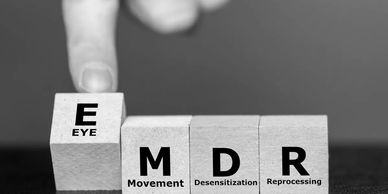
Eye Movement Desensitization and Reprocessing (EMDR) is commonly used to treat trauma, anxiety, and other stress-related concerns. EMDR is an evidence-based therapy designed to help the brain process and integrate distressing memories and experiences that may still be affecting how you feel, think, and respond in the present.
How Does EMDR Work?
How Does EMDR Work?
How Does EMDR Work?

During EMDR, you are guided to briefly focus on specific memories or triggers while engaging in structured bilateral stimulation (such as guided eye movements or tapping), which supports the brain’s natural ability to heal and reorganize emotional material. EMDR therapy is tailored to your pace and readiness throughout the process
How Can EMDR Help?
How Does EMDR Work?

Experiences that once felt overwhelming often become less intense, making it easier to hold awareness of difficult memories without feeling consumed by them. Individuals may develop new perspectives, greater emotional balance, and more effective ways of coping. This can lead to an increased sense of confidence and freedom to engage more fully in everyday life and relationships.
EMDR For Addiction

DeTUR and CravEx are two specialized EMDR approaches designed to address addiction and compulsive behaviors. These methods help reduce cravings, manage triggers, and identify the emotional patterns that drive urges. They also focus on strengthening coping skills and increasing confidence in your ability to make intentional, healthier choices. Over time, this work supports more stable, sustainable recovery that feels aligned with your goals and values.
EMDR for BPD

EMDR can be an effective approach for individuals experiencing features often associated with borderline personality disorder, such as intense emotions, identity instability, or relationship challenges. The work focuses on processing earlier attachment wounds and distressing experiences that continue to influence current patterns of thinking, feeling, and reacting. As these experiences are integrated more adaptively, many people notice improve d emotional regulation, a more stable sense of self, and greater consistency in relationships and daily life.
EMDR for OCD and Phobias

EMDR can be an effective approach for individuals struggling with OCD and phobias, especially when fear-based experiences and distressing memories continue to drive anxiety and avoidance. This work targets the emotional patterns that maintain obsessive thoughts, compulsive behaviors, and intense fears. As triggers become less activating, many people experience reduced anxiety, greater flexibility in responding to distress, and increased confidence in situations they once avoided.